
Your First Home Scheme 2026: What First-Time Buyers Need to Know
Are You a First-Time Buyer?
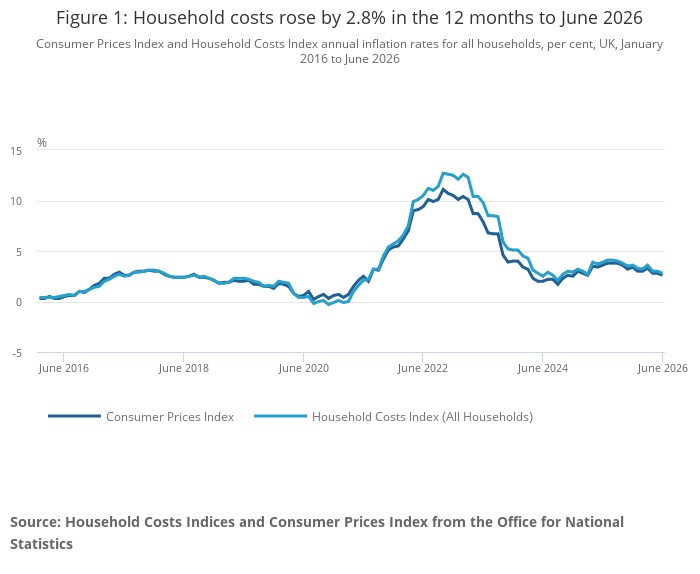
With the cost of living rising by 2.8% between June 2025-June 2026 (as seen from the chart), and average housing prices in England increasing by 0.4% from August 2025-August 2026 to £294,000, we completely recognise how difficult it is at the moment for young people and first-time buyers to get onto the property ladder at the moment.
However, with this new government scheme announced in the Autumn Budget 2026, new opportunities are being created within England to help you purchase your first property in a much more affordable way, with a smaller deposit, mortgage and a government backed equity loan. The government has secured a budget of £4.7 billion for the scheme over 5 years “with £700 million allocated in 2027 to 2028 and £1 billion in each of the subsequent years”.
Who Is Eligible For The Your First Home Scheme?
In order to apply for this scheme you, and any other buying partners (if you are a couple) must meet the following criteria:
- You (all) must be first-time buyers
- Must be buying a property in England
- Be able to obtain a mortgage
- Have an income/ combined income of up to £110,000 before tax (or £140,000 if the property is based in London
It is important that when you are applying with others for this scheme, that you apply together, even if only one of you is getting a mortgage.
What Support Can First-Time Buyers Get?
Buying a House With a 2.5% Deposit
Using this scheme, first time buyers are able to put down a minimum housing deposit worth 2.5% of the property’s price. For instance for a £200,000 house, you could put down a deposit of only £5,000, which is much more affordable for first-time buyers , than the ‘2024-2025 deposit average‘ of £78,131.
Understanding the 20% Government equity loan
In addition to the minimum 2.5% deposit you must put down as a deposit, the government will provide a 20% equity loan of the properties value, as well. This will therefore help to reduce your mortgage repayment, making it much more affordable as your LTV (Loan to value) will be 77.5%. This government equity loan will be interest free for the first 5 years, with interest being added from Year 6 onwards. Starting at 1.5% and will increase to 3% from Year 7.
This equity loan and interest added on after year 5 will be completely separate from your mortgage repayments, and does not reduce the outstanding equity loan you need to repay.
This takes the pressure of you massively as you become a first-time homeowner, helping to reduce your monthly payment costs during the first five years and allow some financial breathing space as you settle into your new home. In the long run this will also help you to understand and more comfortably manage the additional costs of owning a property and build greater financial stability before interest payments on the government loan begin in Year 6.
How Do You Repay the Government Equity Loan?
The equity loan is linked to the value of the property you purchase, which means if the value of your home goes up or down, the value of the government equity loan will also increase or decrease accordingly, meaning you may need to repay more than the government gave you in the loan. As the homeowner you will be able to repay some or all of this loan before you sell this property, as a separate payment to your mortgage. However, usually, this equity loan will normally be repaid when you sell your home, as mentioned on the ‘Government website‘. You will be the sole owner(s) of the property from the day of purchasing. The government, although supporting you with the payment, will not be classed as a joint owner or anything to that extent.
What Properties Can You Purchase Using the ‘Your First Home’ Scheme?
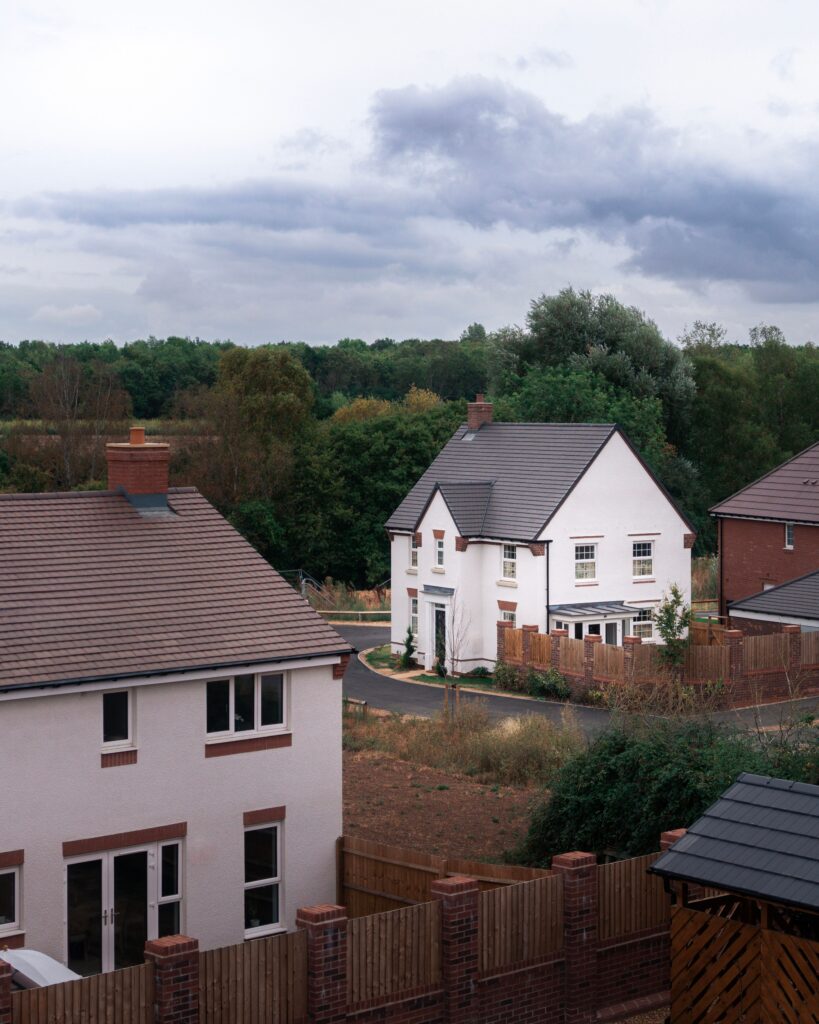
This scheme can only be used to buy eligible new-build property or a property previously purchased with this scheme in England. As this scheme works alongside the Government’s intention of building new homes within England.
Not all new builds will be eligible to purchase using this scheme however, as they must be from participating developers who agree to using the scheme and must meet certain requirements also.
You can only purchase a new build property that is worth up to your local authorities regions price cap.
What are the regional property price caps?
Below, we have highlighted the regions most relevant to both Nationwide and our customers looking to buy their first home. Focusing on Lancashire and Greater Manchester, we’ve identified key areas including Chorley, Preston and Wigan, which are particularly important to consider when exploring local property opportunities and taking your first steps onto the property ladder.
Lancashire
| Region | Price Caps |
| Blackburn and Darwen | £275,000 |
| Blackpool | £235,000 |
| Burnley | £230,000 |
| Chorley | £300,000 |
| Fylde | £275,000 |
| Hyndburn | £240,000 |
| Lancaster | £285,000 |
| Pendle | £250,000 |
| Preston | £280,000 |
| Ribble Valley | £280,000 |
| Rossendale | £270,000 |
| South Ribble | £265,000 |
| West Lancashire | £275,000 |
| Wyre | £255,000 |
Greater Manchester
| Region | Price Cap |
| Bolton | £300,000 |
| Bury | £340,000 |
| Manchester | £355,000 |
| Oldham | £300,000 |
| Rochdale | £275,000 |
| Salford | £305,000 |
| Stockport | £305,000 |
| Tameside | £310,000 |
| Trafford | £285,000 |
| Wigan | £270,000 |
What Should You Do Before Applying?
Before you apply for this scheme or buying a house in general, it is important you consider all the financial costs that are involved, and double check your own affordability. As buying your first property is a huge commitment! Therefore we at Nationwide advise you seek your own mortgage adviser (or one we trust and recommend for you), establish budgets, build up a solid savings towards your deposit, mortgage fees, surveys, moving costs etc before you even consider moving. We want you to have the strongest chance and position possible going into your property journey, as it’s a considerable responsibility you will be taking on!
It’s also worth carrying out your own research into participating new-build developments and developers across Lancashire and the surrounding areas, as not all properties will be eligible for the scheme. Keeping up to date with local development opportunities will help you understand where you may be able to purchase using this support.
This is also an opportunity we’re exploring ourselves here at Nationwide, as we’d love to understand how we can help our customers make the most of the scheme. As further information becomes available and if suitable opportunities arise, we’ll be sure to keep you updated with any developments and guidance that could help you along your property journey.

When does the Your First Home Scheme Start?
Pre-registration for this scheme will open from the end of December 2026, for customers (first-time-buyers) and developers. While the application process for the first customers being open from February 2027. You will need to contact the developers or estate agents (if buying a previous home purchased under this scheme), and disclose you would like to use the “Your First Home scheme” through your purchase.
First property sales are expected from April 2027.
Key Takeaways
- The Government are bringing in a new first-time buyer scheme called ‘Your First Home’
- This scheme is for England only
- Only for buying new build properties, which the developers are participating with the Your First Home scheme’
- You must be first-time buyers in order to apply
- You must be able to obtain a mortgage
- A minimum 2.5% deposit can be put down
- The government will support you with a 20% equity loan towards your purchase (20% the properties value). Which will be interest free for the first 5 years.
- There are different region price caps for the properties you can purchase.
Could this be your opportunity to get onto the property ladder in 2027?
Please see the government website for even more details.